Mobile Home vs. Manufactured Home vs. Modular Home – What Sets Them Apart?
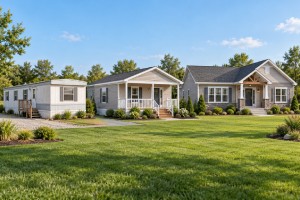
Buying a factory-built house involves more than choosing a floor plan or comparing prices. The type of home you select can influence building requirements, property taxes, borrowing options, and where you are allowed to live. Although mobile, manufactured, and modular homes share certain construction methods, they belong to different regulatory categories. Knowing how these housing types compare can help you avoid costly misunderstandings before making a purchase.
Understanding the Three Types of Factory-Built Housing
The terminology surrounding factory-built housing can be confusing, particularly when property advertisements use different names for similar-looking structures. In the United States, however, the distinctions depend primarily on construction dates and applicable building regulations.
Mobile Homes: Housing Built Before Federal Standards
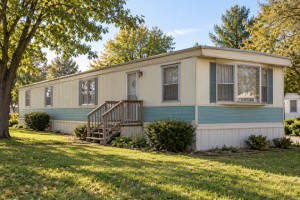
In American housing terminology, a mobile home generally refers to a factory-produced residence completed before June 15, 1976. This date marks the introduction of nationwide construction requirements for manufactured housing.
Earlier models were produced under varying requirements rather than the uniform federal standards that apply today. Consequently, structural design, insulation, electrical systems, and other safety features can differ considerably between older properties.
These homes may remain occupied and can sometimes be relocated, although their age and physical condition can complicate transportation, insurance, and financing. Anyone considering an older mobile home should arrange a thorough inspection and investigate applicable local requirements before purchasing.
Manufactured Homes: Properties Built Under Federal Regulations
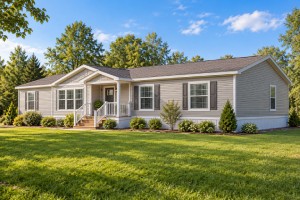
Manufactured housing represents a newer category of factory-built residences regulated through standards administered by the U.S. Department of Housing and Urban Development (HUD).
The federal requirements became effective on June 15, 1976, establishing consistent rules for construction quality, structural performance, fire protection, and other essential building features.
Unlike homes constructed entirely at their final location, manufactured units are assembled in factories and transported to prepared sites. Their design includes a permanent supporting chassis that forms part of the completed structure.
Modern manufactured homes can offer various layouts, finishes, and sizes. However, their federal construction classification continues to influence installation requirements, property documentation, and available lending arrangements.
Modular Homes: Factory Construction Under Residential Building Codes
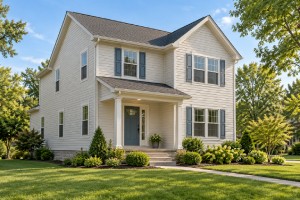
Modular housing follows a different regulatory approach. Although much of the construction takes place indoors, the completed residence must comply with the state or locally adopted building regulations applicable to conventional houses.
Builders manufacture individual sections before delivering them to the property, where installation crews connect the sections and complete the remaining work.
These buildings generally rest on permanent foundations and are considered through the same regulatory framework used for site-built residential properties.
For buyers, this can make modular construction a practical alternative to conventional homebuilding, especially when traditional mortgage financing and ownership of the underlying land are priorities.
How Building Methods and Installation Requirements Compare
Although manufactured and modular homes are factory-built, their structural designs, transportation methods, and inspection requirements differ. These factors influence installation procedures and overall costs.
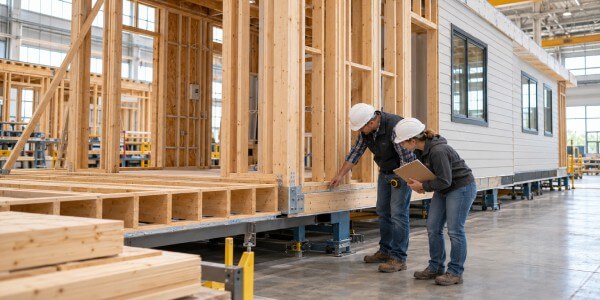
Structural Design and Factory Assembly
Manufactured homes feature a permanent steel chassis that supports transportation and remains part of the structure. They may consist of one or several connected sections.
Modular homes are built as separate modules designed for transportation and lifting onto a foundation. Both methods offer controlled factory production but follow different construction standards.
Moving the Home and Preparing the Property
Manufactured homes travel on their built-in chassis and are secured at the installation site. Modular sections arrive on trailers and are lifted onto prepared foundations before final assembly.
Both require suitable ground conditions, road access, utilities, drainage, and permits. Transportation and site preparation can significantly affect total costs.
Building Inspections and Applicable Standards
Manufactured homes must comply with the federal HUD Code and carry certification labels confirming compliance.
Modular homes follow applicable state or local building codes, with inspections during factory production and installation.
Neither construction method is automatically safer or more durable. Proper installation, maintenance, and compliance with relevant standards determine long-term performance.
How Housing Classification Affects Your Purchase
Housing classification affects land ownership, financing, and long-term costs. Similar homes may have different expenses depending on zoning rules, property titles, and loan conditions.
Land Ownership and Local Zoning Restrictions
Manufactured homes may be placed on leased lots or privately owned land, depending on local regulations. Modular homes generally follow zoning rules for conventional houses, although additional restrictions may apply.
Before purchasing, buyers should confirm permitted housing types, installation requirements, and necessary approvals with local planning authorities.
Mortgage Availability, Insurance, and Borrowing Costs
Manufactured homes classified as personal property may require specialized financing, such as chattel loans, which can have different rates and repayment terms. Those meeting certain land and foundation requirements may qualify for traditional mortgages.
Modular homes typically qualify for construction financing or residential mortgages. Insurance costs vary by construction type, location, and property condition, making comparisons essential.
Property Titles, Future Sales, and Long-Term Value
Manufactured homes may have personal-property titles or qualify as real estate, depending on state regulations and installation conditions. Modular homes on permanent foundations are generally classified as real estate.
Resale value depends on maintenance, location, land ownership, and market demand rather than construction type alone. Buyers should review property records and consult qualified professionals before committing to a purchase.
Choosing a Home That Fits Your Plans and Budget
Manufactured, modular, and older mobile homes offer different possibilities for buyers with different priorities. A manufactured residence may suit someone seeking factory-built housing with flexible placement arrangements, while modular construction may appeal to buyers planning a permanent home on land they own. Older mobile homes require particular attention to structural condition, regulatory restrictions, and financing eligibility. In every case, the advertised purchase price is only one part of the overall financial commitment.
The most useful comparison considers the complete property rather than its housing label alone. Review the construction documentation, calculate transportation and installation expenses, confirm local permissions, and investigate available loan programs. It is equally important to understand whether the purchase includes the land and how the residence will be legally classified. Taking these steps provides a clearer picture of both immediate expenses and future ownership responsibilities, helping you choose a property that supports your long-term housing plans.